
Sciatica Is More Than Back Pain: Understanding Why the Pain Travels Down Your Leg
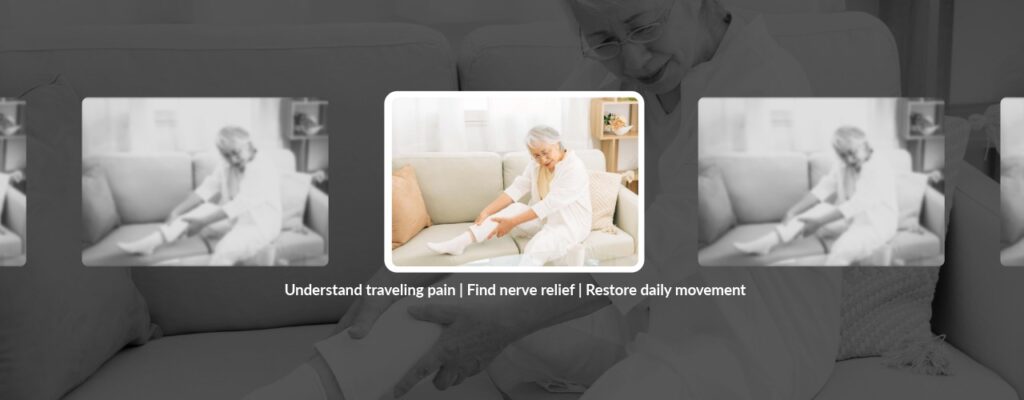
Back pain is common, but when that pain begins to travel into your buttocks, thigh, calf, or even your foot, something different may be happening. Sciatica back and leg pain often catches people by surprise because the discomfort is not limited to the lower back. Instead, it follows the path of the sciatic nerve, creating symptoms that can interfere with walking, sitting, sleeping, and everyday activities. Understanding why this pain travels is the first step toward finding lasting relief from Victory Therapy & Wellness.
Frequently Asked Questions About Sciatica
What exactly is sciatica?
Sciatica is not a diagnosis by itself. It is a collection of symptoms caused by irritation or compression of the sciatic nerve, which begins in the lower back and travels through the hips and buttocks, then down each leg. When something puts pressure on the nerve, pain can travel along its entire pathway rather than staying in one location.
People with sciatica may experience:
- Sharp or burning pain
- Tingling or pins and needles
- Numbness
- Muscle weakness
- Pain that extends below the knee
Many people notice that sciatica back and leg pain becomes worse after prolonged sitting or certain movements.
Why does sciatica pain travel instead of staying in my back?
Unlike a strained muscle, sciatica involves a nerve. Nerves carry signals throughout the body, so when one becomes irritated, symptoms appear along its path, which is often far from the source of the problem. The exact location depends on which portion of the nerve is affected.
What causes sciatica?
Several conditions can place pressure on the sciatic nerve, including:
- A herniated or bulging disc
- Arthritis that causes narrowing around the nerves
- Thickened ligaments in the spine
- Muscle tightness, including the piriformis muscle in the buttock
- Spinal injuries
- Less commonly, tumors or infections
Finding the true source of the nerve irritation is important because treatment depends on the underlying cause rather than simply treating the symptoms.
Should I worry if my leg hurts more than my back?
Not necessarily. In many cases, leg pain is actually the most noticeable symptom.
Because the sciatic nerve extends all the way into the foot, irritation can create discomfort that seems much worse in the leg than in the lower back. Some people experience very little back pain.
However, you should seek prompt medical evaluation if you develop:
- Significant muscle weakness
- Difficulty lifting your foot
- Loss of bowel or bladder control
- Numbness in the groin or saddle area
- Severe pain after a major fall or accident
How can physical therapy help relieve sciatica?
Physical therapy focuses on treating the cause of the nerve irritation rather than simply masking the pain.
At Victory Therapy & Wellness, your physical therapist begins with a detailed evaluation to determine whether the symptoms are coming from the spine, surrounding muscles, or another source. This helps guide an individualized treatment plan. Treatment may include:
- Exercises to improve range of motion and mobility
- Strengthening the muscles that support the spine
- Movement strategies that reduce pressure on the nerve
- Balance and walking training if symptoms affect mobility
- Education about posture, lifting, and daily activities
Many people find that sciatica back and leg pain gradually improve as pressure on the nerve decreases and movement becomes more efficient.
Can I stay active if I have sciatica?
Actually, we rarely recommend complete rest for sciatica. Prolonged inactivity can contribute to stiffness and weakness. Instead, gentle movement often supports recovery.
Depending on your symptoms, your physical therapist at Victory Therapy & Wellness may recommend:
- Short walks throughout the day
- Frequent position changes
- Gradually increasing activity
- Temporary modifications to reduce nerve irritation
The goal is to stay as active as possible without worsening symptoms.
Will sciatica go away on its own?
Some episodes improve over several weeks, particularly when the nerve irritation is mild. However, recurring symptoms or ongoing pain should not be ignored. Persistent nerve irritation can make everyday activities increasingly difficult if the underlying cause is never addressed.
Early evaluation can help identify why symptoms developed and determine the most effective treatment plan before the condition becomes more limiting.
Find the Cause Behind Your Symptoms
Sciatica can affect much more than your back. Because the pain follows the sciatic nerve, it may travel into the leg, making walking, working, or relaxing uncomfortable. The good news is that effective treatment starts with understanding why the nerve is irritated in the first place.
If you are experiencing sciatica back and leg pain, contact Victory Therapy & Wellness to get your personalized care plan.